
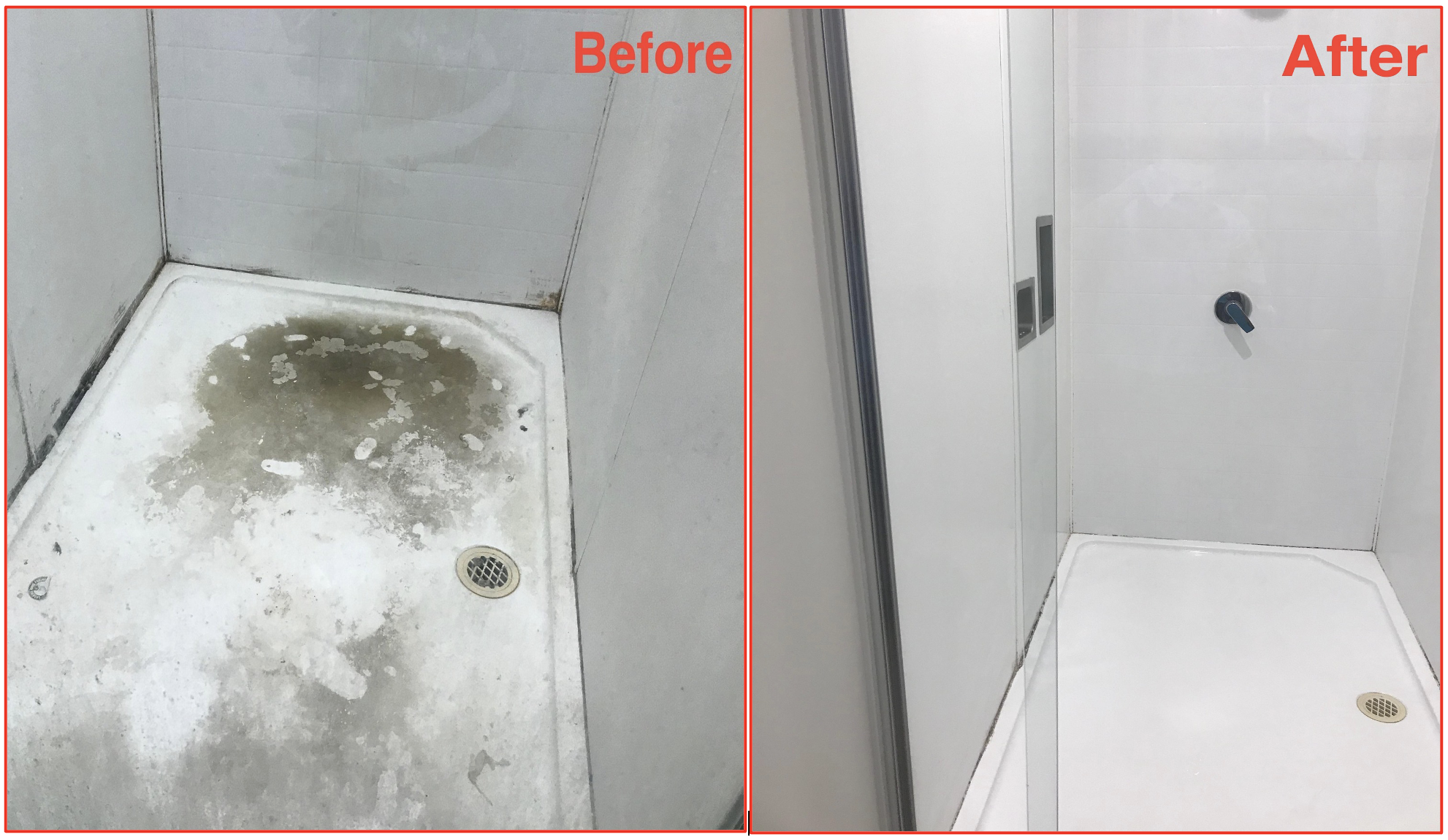
The extreme weather events of 2025 have left many homeowners in Townsville grappling with the aftermath, including the significant challenge of mold growth. Mold not only damages property but can also pose serious health risks. Here are essential steps and tips on effectively cleaning mold in Townsville, ensuring homes are safe and clean after such severe conditions.
1. Identify the Mold
Firstly, identify the extent of the mold problem. Mold typically appears as black, green, or white patches that can spread rapidly in moist conditions. Common areas affected include walls, ceilings, and areas around windows or pipes. Small mold problems can usually be handled personally, but extensive mold presence, especially after flooding, often requires professional assessment and removal.
2. Ensure Personal Safety
Before starting the mold removal process, ensure personal safety by wearing protective gear. This includes gloves, masks (N95 respirators, or better), and goggles. These precautions prevent inhaling mold spores, which can cause health issues such as respiratory problems, allergies, and other serious conditions.
3. Ventilation and Humidity Control
Proper ventilation is crucial during and after the cleaning process. Open windows and doors to allow fresh air to circulate and help dry out moist areas. Use dehumidifiers and fans to reduce indoor humidity, as mold thrives in high humidity environments. Keeping humidity levels below 50% will help prevent mold from returning.
4. Cleaning Small Mold Patches
For small mold patches, a mixture of detergent and water is usually sufficient. Use a stiff brush to scrub the mold off hard surfaces and then rinse with clean water. Ensure the area is completely dry afterward. For non-porous materials, a solution of bleach and water (1 cup of bleach in 1 gallon of water) can be used, but this should be approached with caution, as bleach can discolor surfaces and produce harmful fumes.
5. Addressing Larger Infestations
In cases of larger mold infestations, particularly those resulting from flooding or pervasive dampness, hiring professionals is advisable. Professional mold removal services have the appropriate equipment and chemicals to safely and thoroughly remove widespread mold. They can also perform necessary repairs to water-damaged areas, ensuring that the underlying issues contributing to mold growth are resolved.
6. Dispose of Moldy Materials
Materials that are heavily mold-infested and cannot be cleaned should be removed and disposed of properly. This includes items like carpets, ceiling tiles, and insulation materials. Seal moldy materials in plastic bags before carrying them through the house to avoid spreading mold spores to other areas.
7. Prevent Future Mold Growth
Preventing future mold growth is as crucial as cleaning existing mold. Address the sources of moisture by repairing leaks in roofs, walls, and pipes. Ensure that all rooms, especially kitchens, bathrooms, and laundry areas, are well-ventilated. Consider paint or primers that contain mold inhibitors for areas frequently exposed to moisture.
8. Regular Inspections and Maintenance
Finally, regular inspections and maintenance of your property can help catch and address moisture issues before they lead to mold growth. Regularly check for leaks and condensation, clean gutters and downpipes, and ensure the ground slopes away from your home to prevent water accumulation.
Conclusion
Cleaning mold in Townsville, particularly following the extreme weather conditions of 2025, requires diligent effort and often professional assistance. By identifying mold early, using appropriate cleaning techniques, ensuring personal safety, and taking preventive measures, homeowners can effectively manage and mitigate mold issues. Remember, the key to mold control is moisture control. Keeping your home dry and well-maintained is essential to prevent mold from becoming a recurring problem.


